Micare GPS Tracker

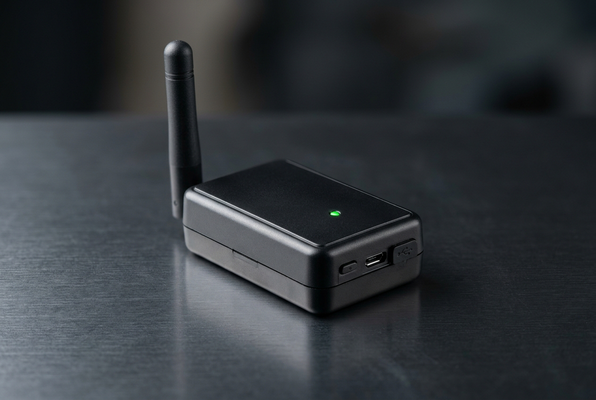
Micare PS, the vehicle-search company behind micare-ps.com, asked CimpleO to build a tracking device of their own instead of reselling third-party GPS chips. The result is one product line covering the device, the network, and the apps: a custom hardware tracker, the firmware that runs on it, a mobile app for owners, and a web dashboard for fleet operators.
The Challenge
Off-the-shelf trackers gave Micare PS no control over battery life, reporting accuracy, or the update cycle. A customer with 350 classic cars needed devices that stayed connected across four weeks in another country without dropping out. That meant designing hardware, not just an app around someone else’s board.
The device had to run for months on battery, hold its position through GPS dead zones, arm and disarm like an alarm system, and report over cellular networks that vary by country. Every one of those constraints pushed back on the others: better GPS accuracy meant more power draw; more frequent reporting meant a shorter battery life; and each firmware revision had to survive real theft and towing scenarios, not just bench tests.
What We Built
Hardware
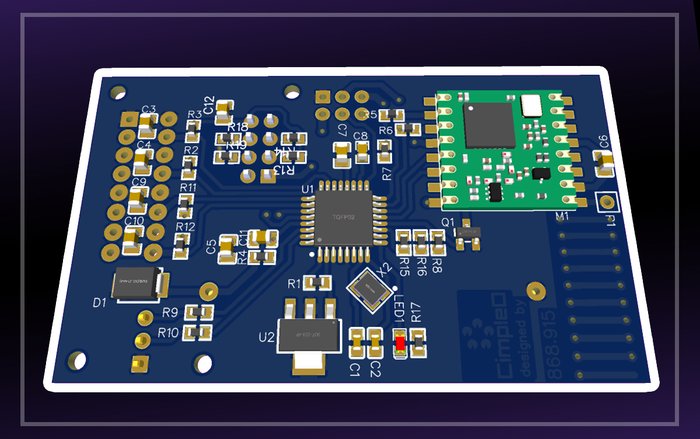
- Custom PCB design, iterated across multiple board revisions
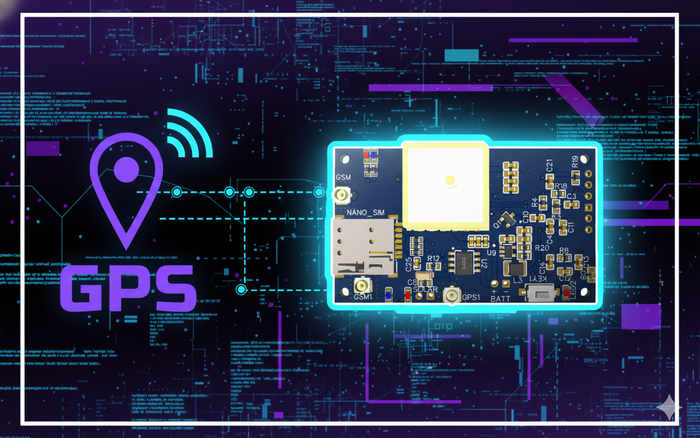
- GPS module swapped from an early chip to the LC86 for better fix accuracy
- Cellular modem migrated from SIM800C to SIM7080G, adding 4G with 2G fallback
- Storage moved from EEPROM to FRAM to fix write-cycle wear and data loss on power cuts
- Real-time clock circuit for time sync and scheduled wake from sleep
- Enclosure and internal layout redesigned for factory assembly
Firmware
- Power management tuned through direct battery-consumption measurement, cutting draw during sleep and idle GPS search
- Cell-based location (LBS) as a fallback when GPS can’t get a fix
- MQTT connection to a Thingsboard backend, with message format switched from JSON to MessagePack to cut payload size
- Watchdog and EEPROM/FRAM cleanup logic to recover devices stuck in a bad state
- NFC-based device pairing, alongside SIM management through EMnify
Mobile app (iOS and Android)
- Google and email authentication, with password recovery
- Live map view showing device position and history
- Armed/disarmed states, with push notifications on state change and on movement
- SOS button and alarm triggers
- German- and Spanish-language builds for international customers
Web dashboard
- Admin views for managing trackers, users, and devices
- Per-device detail pages with position history and filters
- Role-based access separating fleet admins from individual owners
Delivery
Firmware went through several full hardware iterations: three GPS modules and two cellular modems, each one driven by field reports from real customers, including the classic-car fleet whose devices lost connection abroad. That case narrowed the firmware down to specific watchdog resets and EEPROM overflow bugs, fixes that then shipped to every device in the field. The mobile app and dashboard were built alongside the hardware, so each firmware change already had a UI ready to surface it in the same release.